
Afterschool Scoop: Report Cards, Real Talk & the Truth Behind the Numbers

This week’s Afterschool Scoop is coming out a little late. End of trimester, Thanksgiving, and a growing family business… life has been loud and full. When the boys brought home their report cards, the conversation around our dinner table was honest, human, and needed.
As a neuroaffirming family raising two different learners, we sat together to look beyond the numbers and talk about the story behind them — the subjectivity, the confusion, and the impact these little boxes can have on kids’ confidence.
Carter’s Experience: “That’s not what happened.”
Carter noticed a grade that didn’t line up with what actually happened. He had done the work. It had been discussed at school. Everything was accounted for — but the number on the report card said something else.
It threw him off at first. And that’s the part adults sometimes forget: grades don’t just tell kids how they’re doing — they tell kids how to feel about how they’re doing.
Parent Reflections
Marie saw it through both lenses — as a parent and an OT. A low grade should come with conversations, clarity, and context. Without that, it stops being useful information and starts feeling like someone’s opinion.
Ezra brought a different perspective, and it grounded all of us. He said it was dope that our kids have a safe place at home to go over their report cards without fear or shame. A place where they can say, “This doesn’t seem right,” and have adults who listen.
He also pointed out how important it is for kids to see that adults make mistakes too. When Carter was able to walk through the situation, get clarity, and understand the mismatch, his confidence snapped right back. The number stopped feeling like a verdict.
Kingston’s Experience: “I wasn’t doing it on purpose.”
Kingston felt good about his report card but shared honestly about the moments when his mind drifted, when he finished early, and when he caught himself daydreaming. He’s been trying different strategies to see what supports his focus — and he views it as part of growing, not failing.
These are things adults misinterpret all the time:
Inattention isn’t defiance.
Movement isn’t misbehavior.
Looking away isn’t disrespect.
Kids communicate through their bodies long before they communicate through words.
Why This Matters
Report cards stick with kids. Without context, numbers can feel like labels. They can shape how kids see themselves — sometimes in ways that don’t reflect their actual learning, effort, or growth.
Many families, especially those raising neurodivergent kids, know what it feels like when a number doesn’t match the truth. That mismatch matters. Kids deserve accuracy, transparency, and adults who can help them sort through the story behind the grade.
What Parents Can Do
Ask about the “why” behind the grade. Sometimes the explanation is simple and easily resolved.
Request a rubric or criteria. Understanding the scale helps everyone.
Clarify whether the grade reflects academics, behavior, or both. Many report cards blend them.
Talk through the report card with your child. Not to evaluate them — but to understand how they experienced the trimester.
Reassure them that numbers don’t define them. Kids need to hear this more than once.
Name adult fallibility. It’s powerful for kids to know adults misread, misplace, and misunderstand things too.
Protect their confidence. When there’s a mismatch between number and effort, clarity restores self-worth quickly.
Sometimes the most important thing we can do is create a home where kids feel safe naming confusion and asking for help.
Final Thought: Kids Notice More Than Adults Think
Kids read every line.They compare.They question fairness.They take these numbers personally.
And when something doesn’t make sense, they feel it immediately.
Numbers without context aren’t truth — they’re noise.
What matters is the conversation, the clarity, and the safety kids feel when they can come home, unpack it honestly, and walk away knowing their worth was never up for debate.
Warmly,
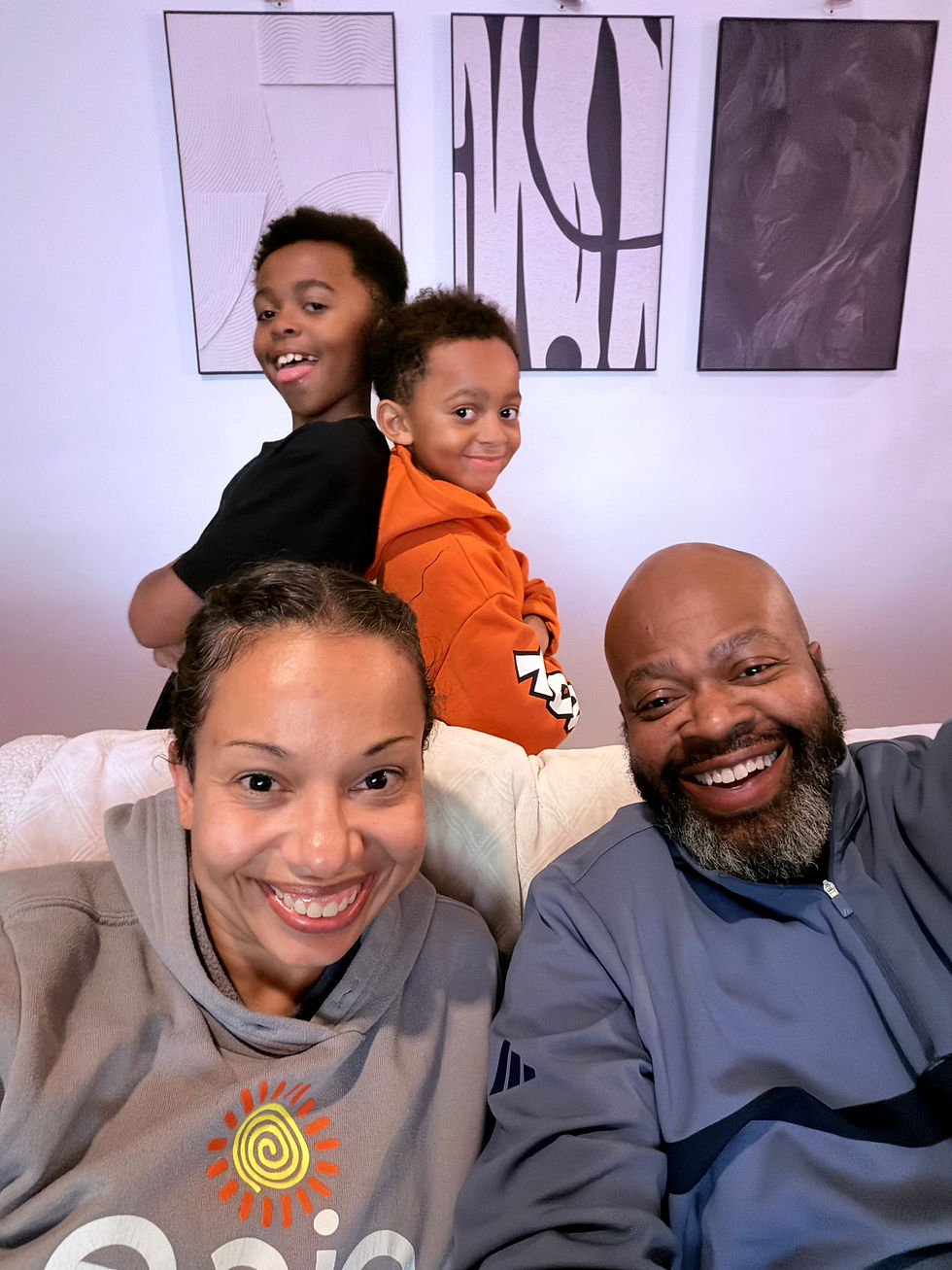
Carter, Kingston, Ezra, and Marie

The Bell family - 11-30-25


Comments